How Long Does It Take to Build a Commercial Building in the Treasure Valley?
How Long Does It Take to Build a Commercial Building in the Treasure Valley?
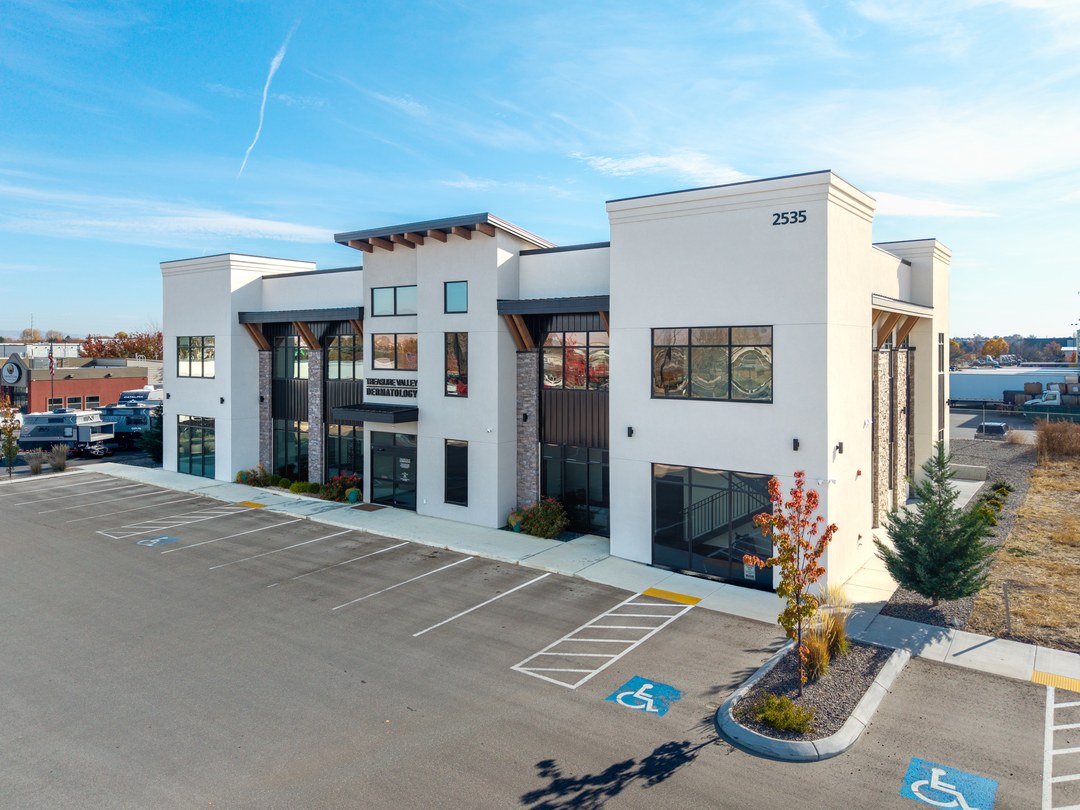
For a small commercial building in the Treasure Valley, such as a 5,000 to 10,000 square foot medical, dental, or office building, plan on about 12 to 16 months from your first design meeting to move-in. Construction itself is usually 7 to 10 months of that. The rest is design and permitting, and those early phases are where most schedules are won or lost.
Here's how each phase breaks down, what slows projects down in Boise, Meridian, and the surrounding area, and what you can do to keep yours on track.
These ranges assume you already own the land or have it under contract. If you're still looking for a site, add that time on top. Our guide to choosing a location for your office build covers what to check before you commit.
Phase 1: Design (2 to 4 months)
Design starts with your site, your budget, and how your business actually works day to day. For a medical or dental office, that means patient flow, treatment rooms, and equipment. For an office building, it means how many people, how they work, and whether you'll lease part of the space.
The biggest factor in how long design takes is decisions. Layouts, finishes, and equipment choices all need answers, and every week a decision waits is a week the schedule slips.
Phase 2: Permitting (1 to 3 months)
Once drawings are complete, they go to the city or county for plan review. In the Treasure Valley, that means the City of Boise, City of Meridian, City of Eagle, or Ada County, depending on where your site is. Review usually takes 4 to 8 weeks, longer if the reviewers send back comments that need revisions.
Permitting is the phase owners have the least control over, which is why it's the most common source of surprise delays. Complete, well-coordinated drawings are the best way to avoid a second round of review.
Phase 3: Construction (7 to 10 months)
Construction typically moves through these stages:
- Site work: grading, utilities, and parking.
- Foundation: footings and slab.
- Structure and enclosure: framing, roof, windows, and exterior.
- Systems: plumbing, electrical, and HVAC.
- Interiors: walls, ceilings, flooring, cabinetry, and finishes.
- Inspections: throughout construction, not just at the end.
Long-lead equipment is the hidden risk here. Items like electrical switchgear and rooftop HVAC units can take months to arrive, so they need to be ordered early. If they aren't, a building can be nearly finished and still wait on one delivery.
Phase 4: Closeout (2 to 4 weeks)
Final inspections, the certificate of occupancy, and a walk-through punch list happen before you get the keys. If you're moving equipment, furniture, or IT systems in, plan that work into this window.
Do medical and dental offices take longer?
Yes, usually by about 1 to 2 months compared with a standard office of the same size [confirm]. Plumbing runs to each operatory or exam room, specialized equipment needs to be coordinated with the building systems, and there are often additional inspections. Planning these details early in design is what keeps the extra time to a minimum.
Does the time of year matter?
It can. Winter in the Treasure Valley can slow foundation and site work. A common approach is to schedule so the building is enclosed before the coldest months, then work on the interior through winter. When concrete has to go in during cold weather, crews use heat and insulated blankets to protect it.
How design-build shortens the timeline
In the traditional approach, you hire an architect, finish the design, then bid it out to contractors, and each step waits for the one before. With design-build, one team handles design and construction, so some of that work can overlap:
- Pricing happens while the building is designed, so there's no redesign when bids come in over budget.
- Long-lead equipment can be ordered before drawings are completely finished.
- Site work can sometimes start while the last design details are wrapped up.
On a typical project, that can save 1 to 3 months. For a full comparison of the two approaches, see design-build vs. hiring an architect and contractor separately.
How to keep your project on schedule
- Line up land and financing before design starts. Design moves faster when the site and budget are settled.
- Make decisions quickly. Layouts, finishes, and equipment selections are the most common holdup during design.
- Lock in equipment early, especially for medical and dental offices.
- Avoid changes once construction starts. Changes after construction starts are the most common delay owners cause [confirm], and they usually add cost too.
- Pick a builder who plans for permitting and long-lead items from day one.
Plan your timeline with us
Moorhouse Commercial is a design-build commercial general contractor based in Meridian, building new medical and dental offices, professional office buildings, and retail spaces across Boise, Eagle, Meridian, and the Treasure Valley. See how our design-build process works, or contact us to talk through your site, budget, and target move-in date.